
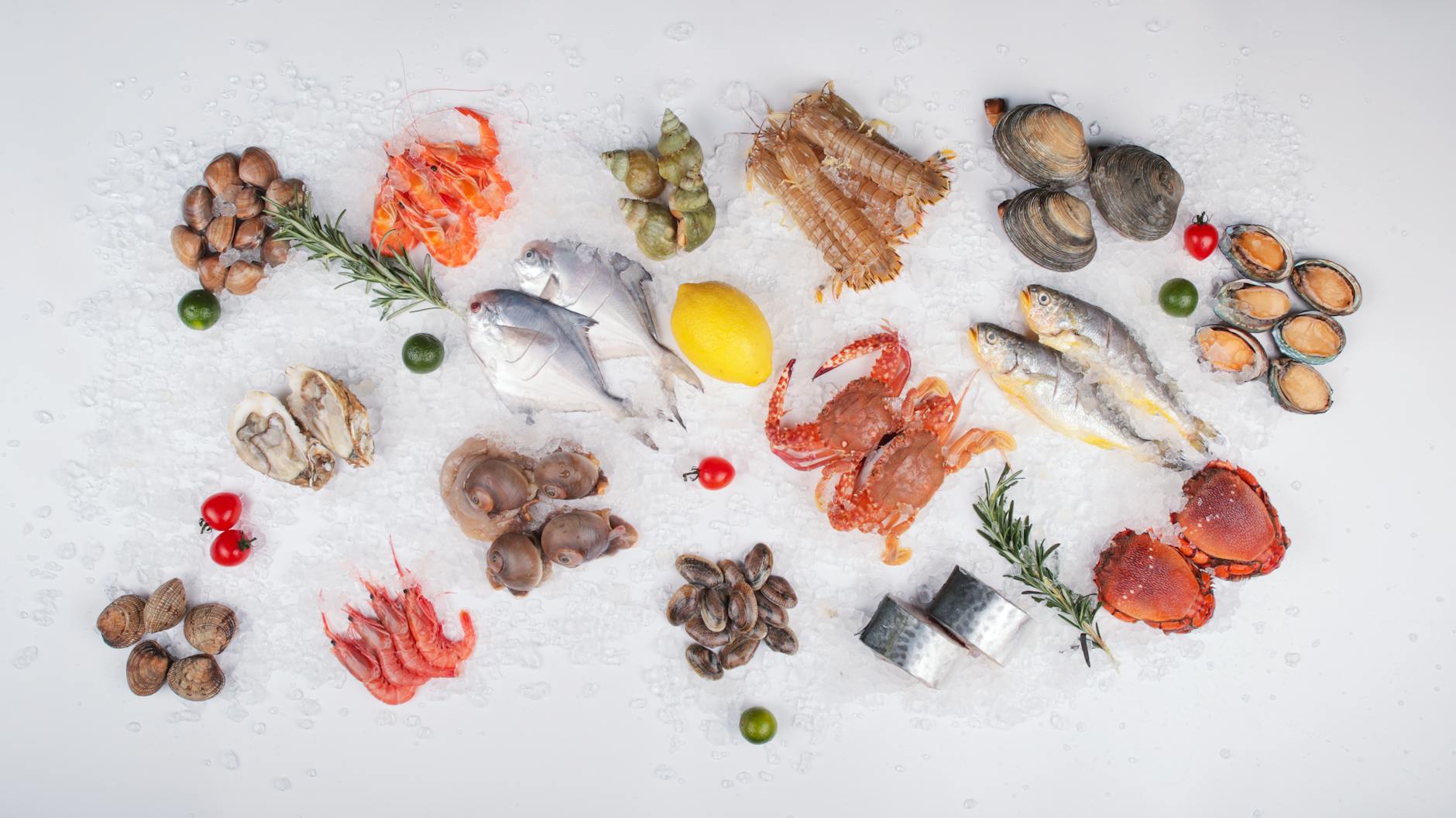
The demand for frozen food products in Indonesia has continued to rise over the past few years. Changing consumer lifestyles, the need for convenience, and the rapid growth of the food service industry are among the key factors driving this trend.
In major cities, more consumers are choosing frozen food because it offers practicality and longer shelf life. Products such as frozen meat, seafood, ready to cook meals, and restaurant ingredients are becoming increasingly accessible through both offline stores and online marketplaces.
For culinary businesses, frozen food provides significant operational advantages. Products can be stored for longer periods, inventory management becomes more efficient, and businesses can maintain a stable supply during periods of high demand. Restaurants, catering services, hotels, and food retailers are increasingly relying on efficient food distribution systems to support daily operations.
Another major factor behind this growth is the improvement in product quality. Many food distributors now use modern cold storage systems, food grade packaging, and reliable logistics to ensure products remain fresh and safe throughout the delivery process.
Industry reports show that Southeast Asia, particularly Indonesia, continues to present strong growth opportunities for the frozen food market. The rise of digital shopping platforms has also made it easier for consumers and businesses to access high quality food products anytime.
For suppliers and food distributors, this trend represents a major opportunity to provide safe, reliable, and high quality food products that meet the demands of modern consumers.
As food consumption patterns continue to evolve, businesses that prioritize quality, efficiency, and reliable supply chains will remain competitive in the growing food industry.

